Our Blog
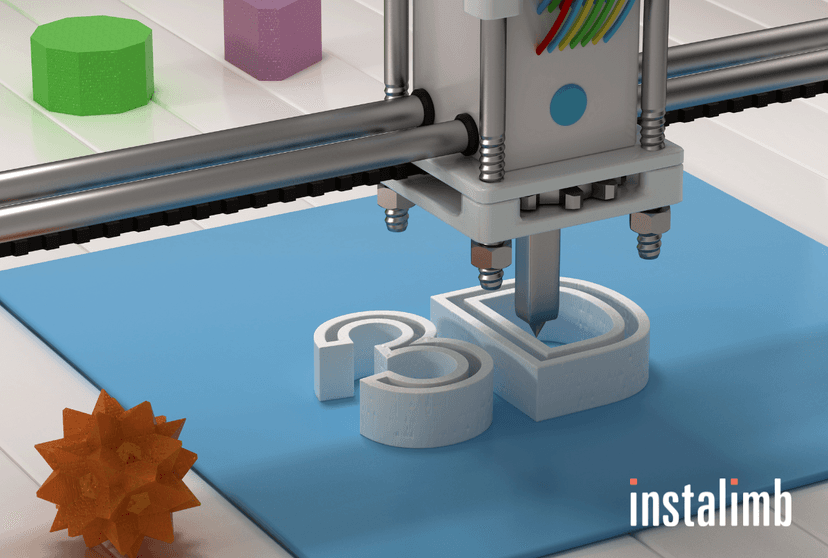
The Magic of 3D Printing : Tailoring Sockets for the perfect fit
Greetings, curious minds! Have you ever thought how 3D printing can transform the comfort and suitability of artificial legs?
Let's dive into the remarkable realm of precision socket design.
1. Customization Like Never Before: To begin with, traditional methods often need lots of manual adjustments, which take time and might not make the prosthetic fit perfectly. But with 3D printing, we can make each socket just for you, matching the shape of your limb perfectly.
2. Getting the Measurements Right: Special machines called 3D scanners measure every detail of your limb. Also, this information helps us create a digital model of the socket that's based on your unique shape.
3. Precise Changes with Computers: Designers use special computer programs to make the socket fit even better. They can make tiny changes that make a big difference because it's all done on a computer.
4. Making it Better Step by Step: One great thing about 3D printing is that we can keep making the socket better. Designers can make changes based on your feedback until it fits perfectly and feels comfortable.
5. Choosing the Right Stuff: Additionally, 3D printing gives us many options for materials. We can pick the one that works best for you, whether it's a lightweight plastic or a super-strong composite material.
6. More Comfort, Less Discomfort: Also, thanks to 3D printing, sockets fit better and are more comfortable. You won't have to deal with the discomfort of a prosthetic that doesn't fit right!
Do you have queries left regarding 3D printing in prosthetics? Feel free to send us a message; we're all ears and eager to share knowledge!
Read more about Instalimb redefining the face of prosthetics and mobility here!
Moreover, If you’re looking for a new artificial leg, interested in free consultation, confused if your socket is the right fit, finding the best Prosthetist, or any other queries - This is the time to reach out to us. Step it up with Instalimb – Contact us today!

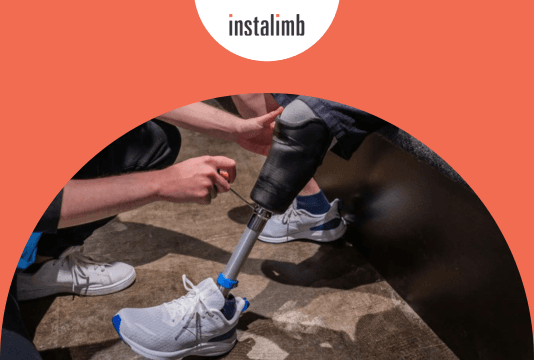
Prosthetic Care : A Guide to Long-lasting Mobility!
When it comes to your prosthetic or artificial leg, proper care isn't just a suggestion. It's a necessity for optimal performance and durability.
Here's a comprehensive guide to help you maintain your Instalimb prosthetic leg in its prime condition:
1. Daily Cleaning: Make it a routine to clean your artificial leg every day using mild soap and water. A gentle wipe-down of all surfaces removes sweat and dirt. Moreover, ensuring your prosthetic remains a happy and hygienic companion.
2. Regular Inspections: Keep an eye on your prosthetic for any signs of wear or damage. Do a daily/alternate day check to make sure it is working properly.
3. Sock Management: Achieving a proper fit is crucial for comfort. Utilize the right number of socks to avoid folding, which could lead to discomfort or uneven pressure on your stump.
4. Socket Comfort: Your socket should fit snugly yet comfortably. Also, consult a good prosthetist for necessary adjustments!
5. Moisture Management: While Instalimb socket is water-resistant, it's wise to limit prolonged exposure to water. After cleaning, ensure your artificial leg is thoroughly dried to avoid any moisture buildup.
6. Storage Importance: When not in use, store your prosthetic in a cool, dry place. Shield it from extreme temperatures and direct sunlight.
7. Activity Awareness: While designed for an active lifestyle, be mindful of your prosthetic's limits. In particular, avoid high-impact activities that could strain or damage its components.
To sum up, with these diligent care and maintenance practices, your Instalimb aritificial leg will continue to serve you with reliability, comfort, as well as steadfast support on your boundless journey towards mobility.
Also, make sure to read more about Instalimb redefining the face of prosthetics and mobility here!
Moreover, If you’re looking for a new artificial leg, interested in free consultation, confused if your socket is the right fit, finding the best Prosthetist, or any other queries. This is the time to reach out to us. Step it up with Instalimb – Contact us today!
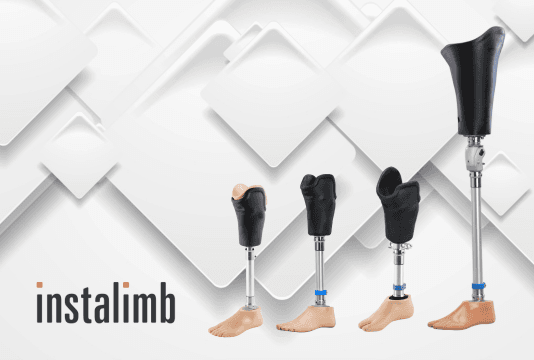
Instalimb : Redefining Mobility with 3D Printed Prosthetics
Instalimb is at the forefront of revolutionary prosthetics technology, thanks to 3D printing!
Our commitment to empowering lives and transforming mobility experiences has led us to embrace cutting-edge advancements in the field of prosthetics. With 3D printing, we are redefining what it means to live with an artificial leg. We offer unmatched comfort, precision, as well as customisation.
Added benefits -
- Say hello to the future:
This groundbreaking technology has revolutionized the way artificial limbs are designed and manufactured. At Instalimb, we are proud to be pioneers in harnessing this innovation to create solutions that propel individuals towards a brighter as well as a more promising future.
- Maximum Comfort & Flexibility:
Our 3D printed prosthetic leg raises the bar. We understand that an artificial limb should feel like an extension of your own body, allowing you to move with ease and grace. Moreoever, with advanced 3D scanning techniques, we craft each leg to ensure optimal fit, reducing discomfort and friction often experienced with traditional limbs.
- Customisation:
No two individuals are the same, and neither should their prosthetic legs be. Our 3D printing process allows for precise customization, tailoring each artificial leg to match your unique anatomy and lifestyle requirements. Say goodbye to the frustrations of ill-fitting prosthetics, as our solutions provide a level of comfort and functionality that was once unimaginable.
- Advanced Technology:
We believe in pushing the boundaries of what's possible in the world of prosthetics. Above all, our state-of-the-art 3D scanning and printing process includes the latest advancements. Also, it ensures that you receive an artificial leg crafted with unparalleled precision and attention to detail.
- No limitations:
Additionally, our mission is to empower you to live a life without boundaries. With Instalimb's 3D printed artificial leg, you can embark on new adventures with confidence.
Lastly, take the first step towards a more fulfilling and active life with Instalimb's revolutionary prosthetic technology!
Moreover, If you’re looking for a new artificial leg, interested in free consultation, confused if your socket is the right fit, finding the best Prosthetist, or any other queries - This is the time to reach out to us. Step it up with Instalimb – Contact us today!