Prosthetic Leg Fit, Skin Care & Socket Problems: What Every Amputee Should Know
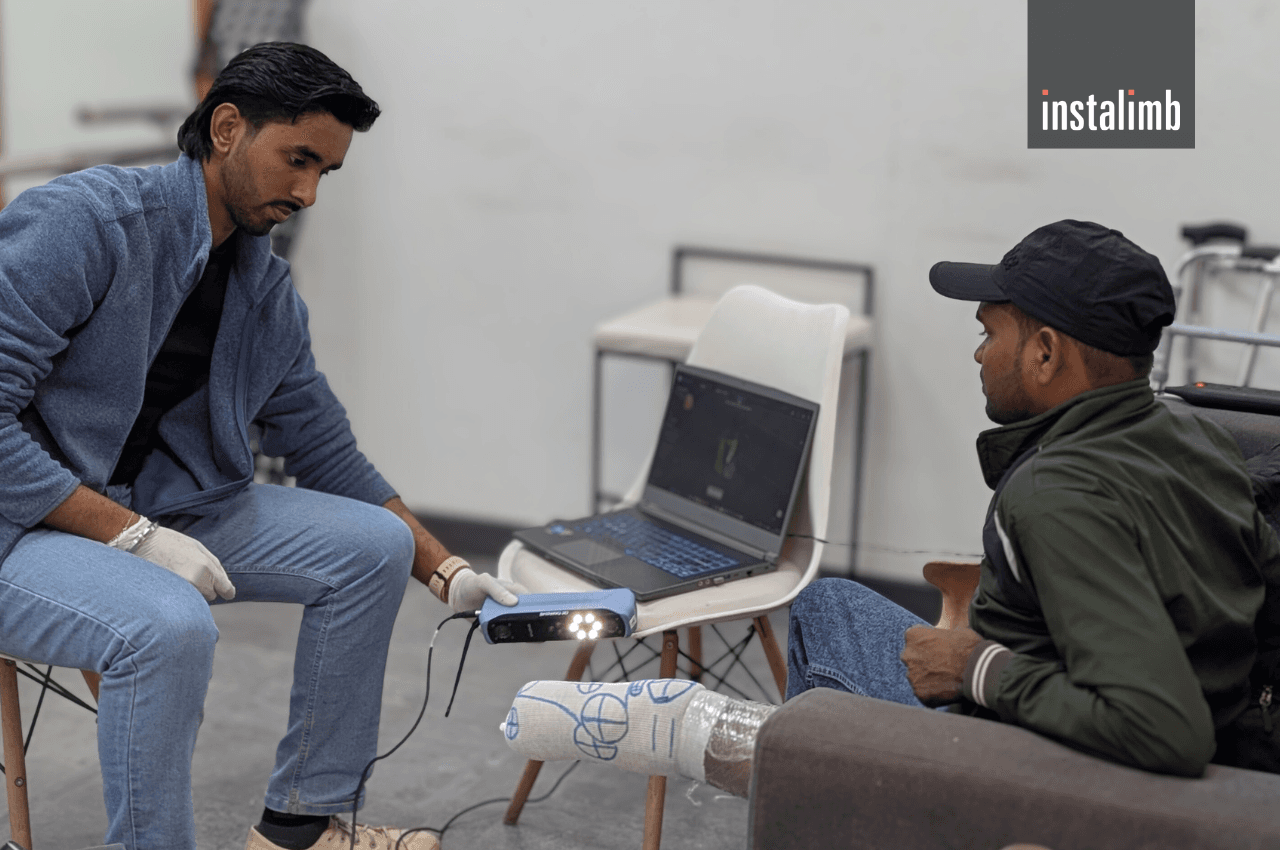
Living with a prosthetic leg isn’t just about putting it on and walking out the door. There’s a learning curve, and more importantly, there are small details that can make a big difference in your comfort, mobility, and long-term health. While technology continues to advance, the real key to success lies in understanding your body, your prosthesis, and how they work together. Here are some important things every prosthetic user should know, the practical insights that often don’t get discussed enough.
1. Your Skin Is the Boss (The 20-Minute Rule)
No matter how advanced your prosthetic is, your skin always has the final say.
When you remove your prosthetic, check your residual limb carefully. Mild redness is normal. However, if red spots don’t fade within 20 minutes, that’s a warning sign. Persistent redness can indicate excessive pressure, friction, or poor socket fit, all of which can lead to skin breakdown.
Skin issues are the number one reason amputees stop wearing their prosthesis temporarily. And once a wound develops, recovery can take weeks.
Think of it this way: you wouldn’t keep wearing tight shoes that cause blisters. The same rule applies here. If redness doesn’t fade, consult your prosthetist early. Small adjustments now prevent bigger complications later.
2. The “Shrinking” Problem: Limb Volume Fluctuation Is Real
Your residual limb is not static. It changes size daily.
Fluid retention, salt intake, temperature, activity levels, and even time of day affect limb volume. This is called residual limb volume fluctuation, and it’s completely normal, but it directly impacts socket fit.
When your limb shrinks, you may feel “pistoning” (movement inside the socket). When it swells, the socket may feel tight and uncomfortable.
This is why prosthetic socks exist. They are not optional; they are a management tool. Learning to add or remove sock ply throughout the day is part of becoming an experienced prosthetic user.
However, if you’re consistently using 8–10 ply socks to feel stable, your limb may have matured and shrunk permanently. At that point, a new socket isn’t a luxury; it’s necessary for proper biomechanics and skin protection.
3. Protecting Your Intact Limb (Your “Good” Side)
Your intact leg works overtime after amputation.
Because weight shifts naturally toward the stronger side, overcompensation can lead to hip pain, knee arthritis, and lower back strain. Studies show that amputees have a higher risk of joint degeneration on their intact limb.
Walking isn’t just about moving forward; it’s about walking evenly.
Listen to your footsteps. If one side “thumps” louder, you’re likely favoring that side. Over time, asymmetrical gait patterns can cause long-term damage.
Work on:
-
Equal step length
-
Smooth weight transfer
-
Proper posture
-
Core strengthening
The goal is longevity, not just mobility.
4. What’s Actually Changing in 2026?
There’s a lot of noise in the prosthetic world. Here’s what truly matters:
Osseo integration
This surgical procedure connects the prosthesis directly to the bone via a titanium implant. It eliminates the socket entirely. For patients with chronic skin breakdown or severe socket intolerance, it can be life-changing.
However, it involves surgery, rehabilitation, and strict hygiene protocols. It’s not for everyone, but it’s worth discussing if traditional sockets constantly fail you.
Precision 3D-Printed Sockets
Modern 3D scanning and printing allow sockets to be built with millimeter-level accuracy. This improves pressure distribution and comfort while eliminating messy plaster casting.
When fit improves, everything improves: skin health, energy efficiency, and overall confidence.
5. Don’t Let Insurance Define Your Potential
Insurance providers categorize amputees into functional levels (K1 to K4). These levels determine what components you’re approved for.
But here’s the truth: your paperwork must reflect your goals, not just your current ability.
If you want to hike, run, or return to work, say it clearly to your physician. Clinical notes drive approvals.
A checkbox should not limit your future.
Advocate for yourself. Document your activity level. Ask questions. Push for what aligns with your lifestyle.
The Bigger Picture
A prosthetic leg is not a miracle; it’s a tool.
And like any tool, it requires:
-
Skin monitoring
-
Volume management
-
Gait training
-
Regular follow-ups
-
Honest communication with your prosthetist
The more knowledgeable you become, the more control you gain.
Over time, when sock adjustments become second nature and skin checks become routine, the focus shifts. Instead of thinking about your prosthesis all day, you start thinking about your life.
And that’s the real goal.
Check out our blog section for more!
So, if you‘re looking for a new artificial leg, interested in a free consultation, confused if your socket is the right fit, or have any other queries, now is the time to reach out to us and try a test socket free of cost. Step it up with Instalimb - Contact us today!
So, if you‘re looking for a new artificial leg, interested in a free consultation, confused if your socket is the right fit, or have any other queries, now is the time to reach out to us and try a test socket free of cost. Step it up with Instalimb - Contact us today!
Recent Posts
August 20, 2026
August 18, 2026
August 11, 2026
August 6, 2026
July 31, 2026
July 27, 2026
July 21, 2026
July 17, 2026
July 15, 2026