Coping With Grief After Amputation: 5 Stages to Know
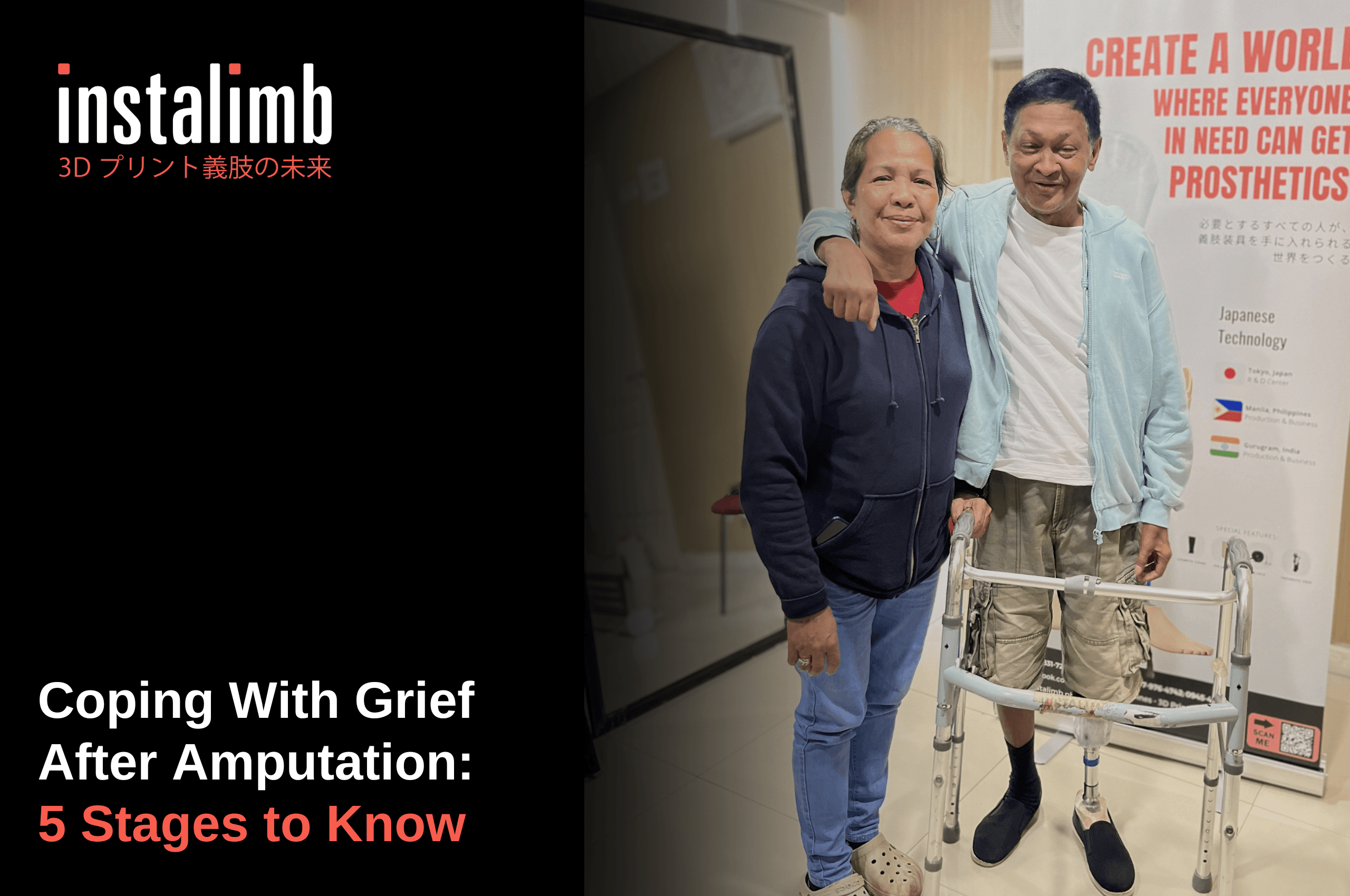
Coping With Grief After Amputation: 5 Stages to Know
Losing a limb is not just a physical change, it is an emotional earthquake that can shake your sense of self overnight. If you are searching for ways to understand the grief after amputation you are feeling right now, know that what you are going through has a name, a pattern, and an end point. You are not weak, you are not broken, and you are not alone in this.
Understanding Grief After Amputation: Why It Feels Like Losing a Part of Yourself
Grief after amputation is a natural emotional response to losing a limb, similar to grieving the loss of a loved one. It typically moves through five recognisable stages, denial, anger, bargaining, depression, and acceptance, though not always in order. Understanding these stages helps you recognise your feelings as normal and find your way toward acceptance faster.
Think of it like this: your brain built years of habits, balance, and identity around your original limb. When that changes, your mind needs time to rebuild its map of you, much like updating an old GPS system that still shows a road that no longer exists. This confusion is normal, not a personal failing.
At Instalimb, we have designed over 500 prosthetics across Delhi, Gurugram, Hyderabad, Bangalore, Mumbai, and Vizag, and we see this emotional journey in nearly every patient before they find their footing again, literally and figuratively.
The 5 Stages of Grief and How They Show Up After Limb Loss
The five-stage grief framework, first described by psychiatrist Elisabeth Kubler-Ross, applies closely to limb loss. A peer-reviewed study published in Frontiers in Psychology found that psychological adjustment after amputation unfolds through overlapping emotional phases before people reach stable acceptance (Frontiers in Psychology, 2021).
-
Denial: You might catch yourself expecting to feel your old limb, or avoid looking at your residual limb altogether.
-
Anger: Frustration surfaces, aimed at doctors, family, or even yourself, for the accident or diagnosis that led here.
-
Bargaining: You replay ifs and shoulds, wondering what could have prevented this.
-
Depression: A heavier sadness settles in as the permanence of the change becomes real.
-
Acceptance: You start rebuilding routines, trying a prosthetic, and picturing a future again.
Grief does not always move in this order, and that is completely normal. Some days you might feel accepting, and the next day angry again. Both are part of healing.
Why Grief After Amputation Doesn't Move in a Straight Line
Healing is rarely a neat staircase from denial to acceptance. Research on psychological adjustment after amputation describes it as a dynamic, non-linear process, some people adapt quickly, others take months or years, and many move between stages depending on triggers like pain, a socket that does not fit right, or a hard day.
A sore residual limb or an ill-fitting socket can trigger a fresh wave of anger or sadness even after you thought you had reached acceptance. This is why comfort and precision, the kind that comes from a 3D-printed, custom-fit socket, matter for more than just walking, they matter for your mental state too.
Your emotional recovery and your physical recovery are deeply connected. When your socket fits well, you spend less energy fighting your equipment and more energy healing your mind.
Practical Ways to Cope With Each Stage
You do not have to wait passively for grief to pass. Small, consistent actions can move you through each stage faster.
-
Name the stage you're in out loud or in a journal, this reduces its power over you.
-
Talk to another amputee through a support group or community, hearing “I have felt that too” is often more healing than advice.
-
Move your body gently each day, even simple stretches release stored tension.
-
Ask your prosthetist questions instead of suffering in silence about socket discomfort.
-
Give yourself permission to have a bad day without judging it as failure.
Small daily wins, like standing a little longer or walking to the next room, rebuild confidence faster than trying to “get over it” all at once.
How the Right Prosthetic Fit Supports Emotional Recovery
A prosthetic that pinches, slips, or rubs keeps reopening old wounds, both physical and emotional. This is where technology genuinely changes the emotional experience of limb loss, not just the physical one.
Instalimb uses 3D-CAD scanning and 3D printing to achieve 1mm-level socket customisation, which means your socket is built around the exact shape of your residual limb rather than a generic mould. Fewer painful adjustment visits mean fewer reminders of what you have lost and more focus on what you can still do.
AI-assisted design also helps predict how your limb volume will change over the following weeks, so your socket keeps fitting well instead of becoming loose or tight without warning.
A well-fitted socket is one less thing your mind has to grieve.
When to Seek Professional Support
Grief becomes a concern when it stops moving, when sadness, anger, or withdrawal from life lasts for months without any lighter days. According to the World Health Organization, depression and anxiety are common but treatable conditions, and seeking help early leads to better outcomes.
Reach out to a counsellor, psychologist, or psychiatrist if you notice ongoing sleep problems, loss of interest in things you used to enjoy, or thoughts of hopelessness. Many rehabilitation centres in India now include mental health support alongside physical therapy, recognising that a whole recovery includes the mind.
Asking for help is not weakness, it is one of the strongest steps in your recovery.
Frequently Asked Questions
1. How long does grief after amputation usually last?
There is no fixed timeline for grief after amputation, it can last weeks for some people and over a year for others. Most people move toward stable acceptance within the first year, especially with prosthetic fitting, physiotherapy, and emotional support in place. If sadness or anger persists without any improvement after several months, speaking with a mental health professional is recommended.
2. Is it normal to feel angry after losing a leg?
Yes, anger is one of the most common and normal reactions to limb loss. It often surfaces as frustration toward doctors, family members, or even yourself, and it usually signals that you are actively processing the loss rather than avoiding it. Channel this energy into physiotherapy, journaling, or talking with a counsellor instead of suppressing it.
3. Can a better-fitting prosthetic actually help with emotional recovery?
Yes, a well-fitted prosthetic genuinely supports emotional recovery because physical discomfort often reopens emotional wounds. Sockets built with 3D printing and 1mm-level precision, like those at Instalimb, reduce painful rubbing and repeated adjustments. Fewer physical setbacks mean you can focus your energy on rebuilding confidence and daily routines instead of managing constant discomfort.
4. What are the five stages of grief after amputation?
The five stages are denial, anger, bargaining, depression, and acceptance, based on the well-known Kubler-Ross grief model. After amputation, these stages often overlap or repeat rather than following a straight line. Recognising which stage you are in can help you respond to your emotions with more patience and less self-judgment.
5. Should I join a support group after amputation?
Yes, joining a support group can significantly ease the emotional journey after amputation. Hearing from other amputees who have faced similar grief stages reduces isolation and offers practical coping strategies that professionals alone may not provide. Many Indian cities including Delhi, Mumbai, and Bangalore now have active amputee communities and online groups you can join today.
Moving Forward
Grief after amputation is not a detour from your life, it is part of the road toward your new normal. Every stage you move through, even the hard ones, is proof that you are healing, adapting, and moving forward. With the right support system, the right mindset, and a prosthetic that truly fits, you can rebuild not just your mobility, but your confidence and sense of self too.
Check out our blog section for more!
So, if you‘re looking for a new artificial leg, interested in a free consultation, confused if your socket is the right fit, or have any other queries, now is the time to reach out to us and try a test socket free of cost. Step it up with Instalimb - Contact us today!
Recent Posts
October 23, 2026
October 22, 2026
October 14, 2026
October 13, 2026
October 8, 2026
October 6, 2026
October 1, 2026
September 29, 2026
September 26, 2026