Neuroma Pain After Amputation: 5 Ways to Find Relief
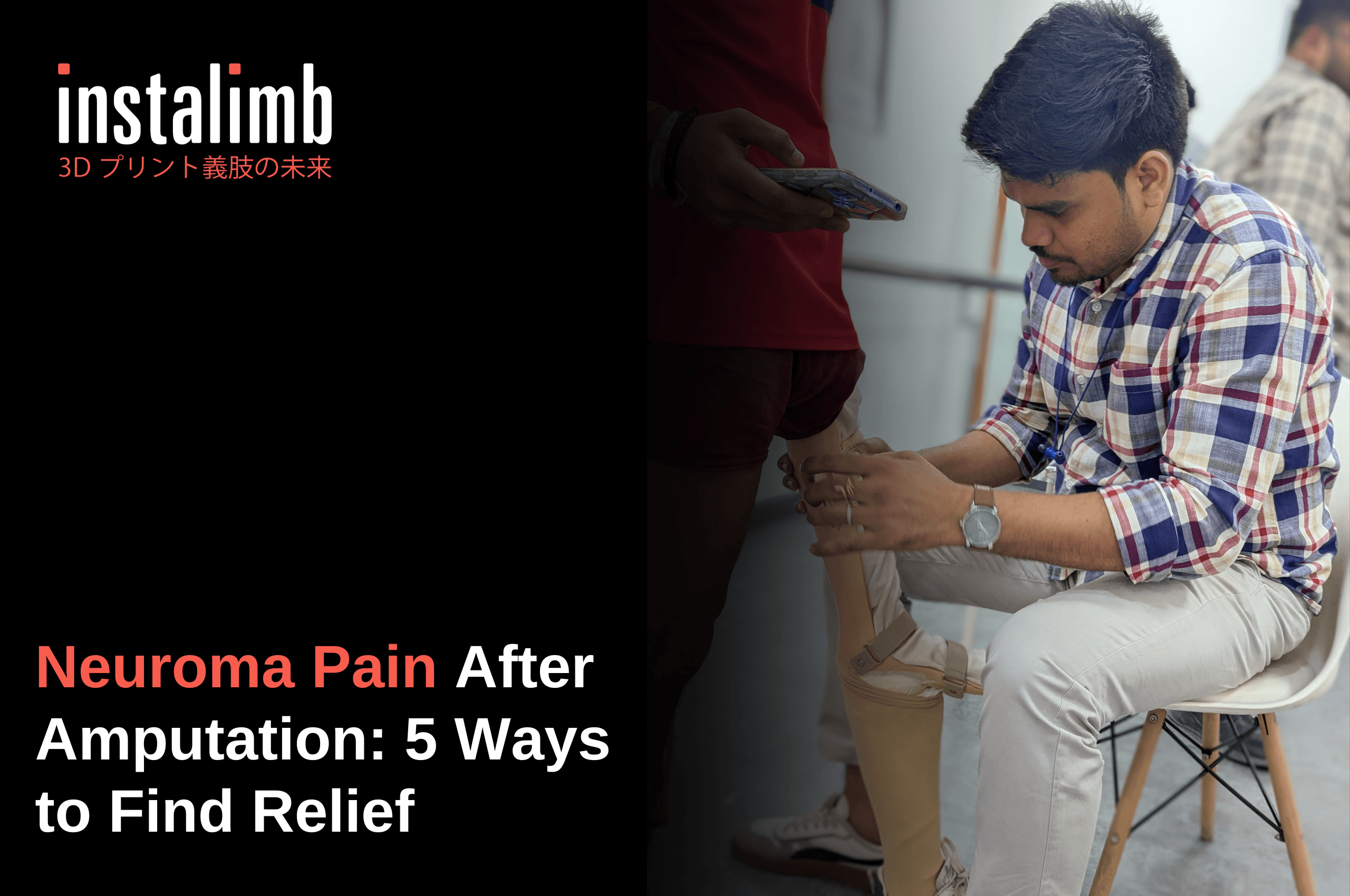
You have healed from surgery, your socket fits, and yet there is a spot on your residual limb that shoots with a sharp, electric jolt every time it is touched or pressed. That is not phantom pain, and it is not in your head. Neuroma pain after amputation is one of the most common, and most under-discussed physical pain points amputees face, and the good news is that most cases can be managed without surgery once you know what you are dealing with.
What Causes Neuroma Pain After Amputation?
A neuroma is a small, tender bundle of nerve endings that forms when a nerve is cut during amputation surgery and tries, unsuccessfully, to regrow. It causes sharp, burning, or electric-shock-like pain at a specific spot on your residual limb, often triggered by socket pressure, touch, or certain movements.
A 2013 study published in PubMed found that roughly 10% of amputees develop a symptomatic neuroma severe enough to need ongoing treatment, and neuromas typically become noticeable between one and twelve months after surgery. The tell-tale sign is a firm, pea-sized lump under the skin that reproduces the shooting pain when your prosthetist presses on it, a test doctors call Tinel's sign.
A painful lump that reproduces sharp, shooting pain when pressed is the clearest sign of a neuroma, not a socket-fit problem alone.
Neuroma Pain vs Phantom Limb Pain: Know the Difference
These two get confused constantly, and treating one like the other wastes months. Phantom limb pain is a sensation that feels like it is coming from the missing part of your leg, a nerve signalling issue rooted in the brain and spinal cord. Neuroma pain, by contrast, comes from a specific, physical, touchable point on your actual residual limb.
You can usually tell the difference with one simple test: press directly on the painful spot. If pressing it reproduces or worsens a sharp, localised pain, you are likely dealing with a neuroma. If the pain feels like it is in a leg that is no longer there regardless of where you touch, that points toward phantom limb pain instead. Many amputees experience both, which is exactly why a proper diagnosis matters before starting treatment.
Non-Surgical Ways to Manage Neuroma Pain
Most neuromas respond well to conservative care before anyone talks about surgery. Options your prosthetist or doctor may suggest include the following:
-
Desensitisation massage: gentle, repeated touch and pressure on the area trains the nerve to stop overreacting
-
Socket offloading: relieving pressure over the exact neuroma site through a modified or redesigned socket
-
Medication: nerve-pain drugs such as gabapentin or pregabalin, prescribed and monitored by your doctor
-
TENS or electrical stimulation and, in some cases ultrasound-guided steroid or alcohol injections directly into the neuroma
Give any single approach several weeks before deciding it has failed. Neuromas respond slowly, and switching treatments too quickly often means abandoning something that was starting to work.
When Surgery Makes Sense: TMR and Beyond
If conservative care does not bring enough relief after a few months, surgery is not a failure, it is simply the next step. Older techniques involve excising the neuroma or burying the nerve ending deeper into muscle, though pain can sometimes recur.
Targeted Muscle Reinnervation (TMR) has become the more modern option: surgeons reroute the cut nerve into a nearby muscle, giving it a productive place to send its signals instead of forming a painful tangle. A systematic review of trauma-related amputees found that 86.2 percent experienced resolution of their neuroma pain after TMR, with over 90 percent reporting overall pain reduction. Regenerative Peripheral Nerve Interface (RPNI) is a newer, related technique showing similar promise.
How a Precision Socket Can Reduce Neuroma Pain
Socket fit will not cure an existing neuroma, but a poorly distributed socket can turn a mild one into a daily source of pain. At Instalimb, our AI-assisted CAD design and 3D printing achieve 1mm-level socket precision, which means we can map exactly where pressure falls on your residual limb and redesign the socket to offload a known sensitive spot rather than pressing directly on it.
At Instalimb, we have designed over 500 prosthetics across Delhi, Gurugram, Hyderabad, Bangalore, Mumbai, and Vizag, and our prosthetists routinely adjust socket geometry around a known neuroma site before a patient even considers further treatment. Our free Test Socket Fitting lets you feel that difference before committing to a final device.
When to See a Doctor About Residual Limb Pain
Do not wait out pain that is getting worse instead of better. Book an appointment if you notice a growing lump that reproduces sharp pain when pressed, pain that keeps you from wearing your prosthetic for a full day, or pain that spreads beyond one specific point on your limb.
A pain that is confined to one touchable point, rather than spread across your whole residual limb, almost always points toward a neuroma and a treatable one at that.
Frequently Asked Questions
1. What does neuroma pain feel like after amputation?
Neuroma pain typically feels sharp, burning, or like an electric shock, centred on one specific spot on your residual limb. It usually worsens when that spot is touched, pressed, or bumped against your socket, unlike phantom limb pain, which feels like it is coming from the missing part of the leg itself.
2. How common are neuromas in amputees?
Research published on PubMed estimates that around 10 percent of amputees develop a symptomatic neuroma severe enough to require treatment, usually appearing between one and twelve months after surgery. Many more amputees develop a neuroma that never becomes painful and needs no treatment at all.
3. Can a prosthetic socket cause neuroma pain?
A socket does not cause a neuroma to form, but a socket that presses directly on an existing neuroma can make the pain far worse day to day. A precisely designed socket that offloads pressure from that exact spot often brings meaningful relief without any medical procedure.
4. Is neuroma pain the same as phantom limb pain?
No, though the two are often confused and can occur together. Phantom limb pain originates in the brain and feels like it is coming from the amputated part of the leg. Neuroma pain comes from a specific physical point on your existing residual limb and gets worse when that point is pressed.
5. Can neuroma pain be treated without surgery?
Yes, in most cases. Desensitisation massage, socket modifications that offload the sensitive spot, nerve-pain medication, and treatments like TENS or guided injections resolve many symptomatic neuromas. Surgery, including newer options like Targeted Muscle Reinnervation, is generally reserved for cases that do not improve after a few months of conservative care.
A sharp, localised pain on your residual limb is not something to simply live with, and it is not a sign that your prosthetic journey has failed. Get it properly diagnosed, ask specifically about neuroma versus phantom pain, and know that between socket redesign, conservative care, and modern surgical options, real relief is almost always available.
Check out our blog section for more!
So, if you‘re looking for a new artificial leg, interested in a free consultation, confused if your socket is the right fit, or have any other queries, now is the time to reach out to us and try a test socket free of cost. Step it up with Instalimb - Contact us today!
Recent Posts
October 23, 2026
October 22, 2026
October 14, 2026
October 13, 2026
October 8, 2026
October 6, 2026
October 1, 2026
September 29, 2026
September 26, 2026