Returning to Work With a Prosthetic Leg: 5 Things to Know
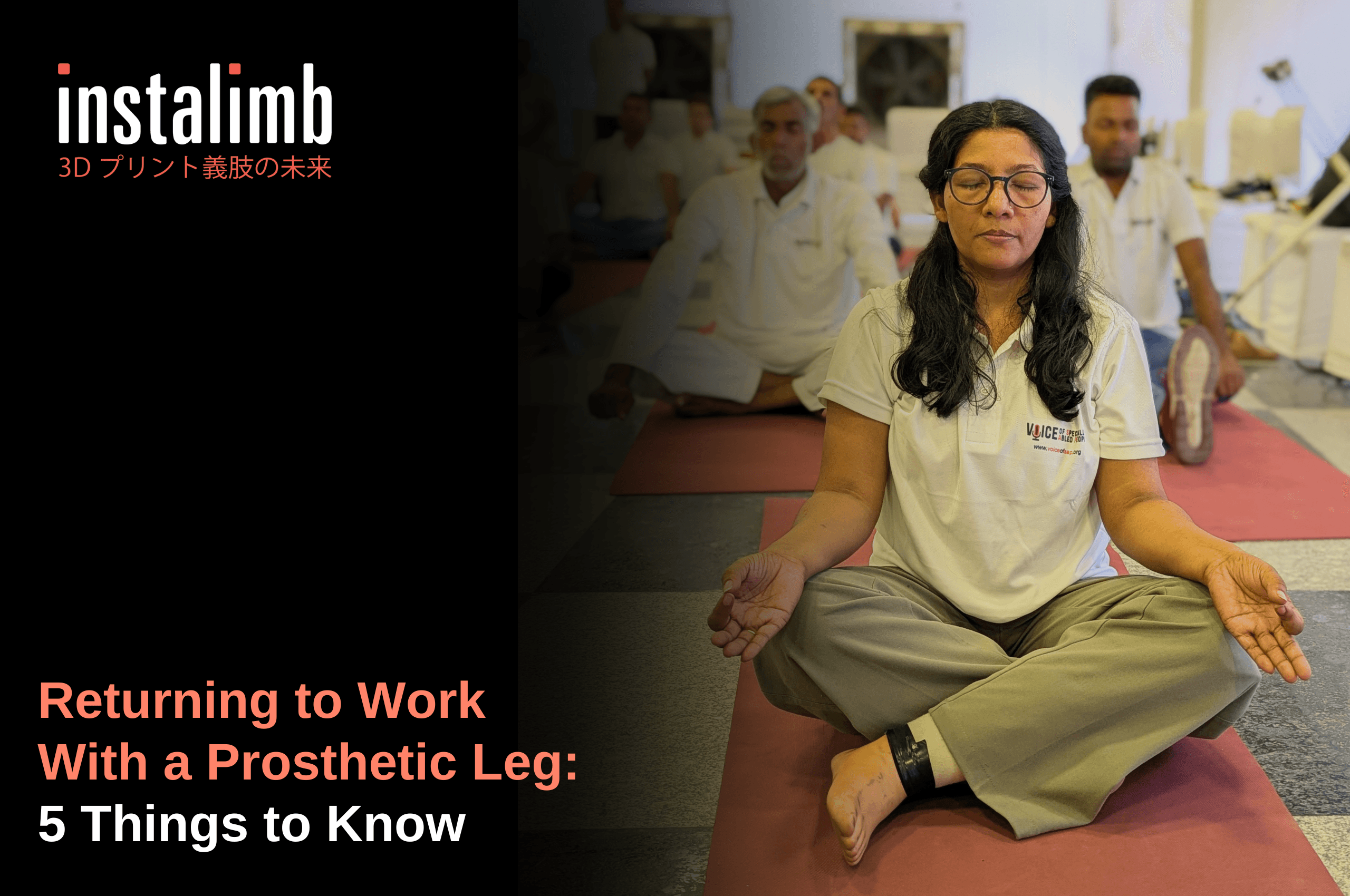
Returning to work with a prosthetic leg brings a different kind of nervousness than the surgery itself did. Will you last a full shift on your feet, or will eight hours at a desk leave your residual limb sore in ways walking never did? Whether your job has you on a factory floor or in a corporate office, the return is manageable with the right preparation.
Returning to Work With a Prosthetic Leg: Are You Ready?
You are generally ready to return to work once you can comfortably tolerate a full day's wear time in your socket, walk your typical daily distance without significant pain, and manage stairs or uneven flooring similar to your workplace. Most people also benefit from a trial run, wearing the prosthetic through a mock workday at home before their actual first day back.
Research backs up how common a full return is. A review of return to work after lower limb amputation found that roughly two thirds of people go back to work, though the odds improve with better prosthetic mobility, earlier access to rehabilitation, and a job that existed before the amputation. Your prosthetist and physiotherapist are the right people to confirm you have reached that point, since readiness looks different for a warehouse job than it does for a desk job.
If Your Job Is Physically Demanding: Standing, Walking, and Lifting
Physically demanding roles put repeated load through the socket in ways a short walk around the block never will. A few habits make a real difference over a full shift:
-
Build up standing and walking time gradually in the two weeks before you return, rather than testing your limits on day one.
-
Bend at the knees and hips when lifting, keeping the load close to your body instead of twisting through the trunk.
-
Choose supportive, closed footwear that matches the terrain you will be working on, whether that is a smooth warehouse floor or an uneven site.
-
Schedule short seated breaks to check your skin for redness, since standing all day hides pressure points that only show up once you sit down.
At Instalimb, we regularly adjust socket design for patients moving into physically demanding roles, since a socket built for gentle daily walking needs a firmer, more supportive redesign for lifting and long shifts.
If Your Job Is Deskbound: The Hidden Strain of Sitting All Day
Office work feels gentler, but sitting for hours brings its own problems. Staying in one position for long stretches can cause residual limb swelling, since movement is what normally helps circulation do its job. A limb that swells during a long meeting can make your socket feel unexpectedly tight by the afternoon.
Simple changes help. Standing up every hour, even briefly, keeps fluid from pooling in the residual limb. A chair at the right height, a footrest if your prosthetic side needs one, and a desk set up so you are not reaching or twisting repeatedly all reduce strain that has nothing to do with your legs but still affects how your whole body compensates through the day.
Talking to Your Employer Before Day One
A short conversation before your first day back prevents most awkward moments later. You do not need to share more medical detail than you are comfortable with, but it helps to flag a few practical needs directly.
Consider requesting a phased return, starting with shorter days or fewer physically demanding tasks before working back up to a full schedule. Ask about flexibility for appointments with your prosthetist in the first few months, since early adjustments are common as your residual limb continues to change shape. A quiet, private space for a quick sock change or skin check, even for a few minutes, also makes a noticeable difference.
Building Stamina in the Weeks Before You Return
Wear time is a skill you build gradually, the same way you would build up to a longer run. Gradual wear-time building is one of the most reliable ways to avoid a rough first week, since jumping straight from a few hours a day at home to an eight or ten hour shift is one of the most common reasons people struggle in their first week back.
Try wearing your prosthetic through a simulated workday at home, including the tasks your job actually involves, whether that is standing at a counter, climbing a ladder, or sitting through back to back calls. Physiotherapy focused on core strength and gait endurance in the month before you return also pays off, since a stronger core reduces how much your back and hips compensate for a long day on your feet.
Getting Through a Full Workday Without a Socket Crisis
However well you prepare, a workday is long enough that small issues can surface. Packing a few items in a desk drawer or work bag solves most of them before they become a real problem.
-
A spare prosthetic sock or two, since sock ply needs to change as your limb swells or shrinks through the day.
-
A small pack of alcohol wipes or a travel size antiperspirant if sweat causes slipping by mid afternoon.
-
A note in your phone with your prosthetist's contact details, in case something needs attention before your next scheduled visit.
Instalimb's digital design files also mean that if your socket does need a redesign for your specific job, the adjustment is based on the same 3D scan and AI-assisted measurements from your original fitting, not a fresh guess.
Frequently Asked Questions
How long after amputation can I return to work?
Timelines vary widely depending on amputation level, job type, and healing, but many people return within a few months of finishing initial rehabilitation. Physically demanding jobs generally take longer to prepare for than desk-based roles, since they require more standing and walking endurance before a full shift feels manageable.
What if my job requires a lot of standing or lifting?
Build standing and walking tolerance gradually before your return date, and ask your prosthetist about a socket redesign suited to sustained load rather than casual daily walking. Proper lifting mechanics, supportive footwear, and scheduled breaks to check your skin all reduce the risk of soreness or a pressure sore during a long shift.
How do I handle a desk job with a prosthetic leg?
Stand up briefly every hour to help circulation and reduce residual limb swelling, and set up your chair and desk so you are not twisting or reaching repeatedly. Watch for your socket feeling tighter later in the day, which usually means your limb has swollen slightly from sitting still.
Should I tell my employer about my prosthetic leg?
You are not obligated to share more than you are comfortable with, but a brief conversation about practical needs, such as a phased return or occasional appointment flexibility, usually prevents misunderstandings later. Most employers respond well to a short, direct conversation rather than no conversation at all.
What should I keep at my desk or workstation just in case?
A spare prosthetic sock, a small antiperspirant or alcohol wipes, and your prosthetist's contact details cover most day-to-day issues. A private space to step away for a few minutes, even a quiet meeting room, is worth identifying on your first day back.
Conclusion
Going back to work with a prosthetic leg is rarely about one dramatic moment. It is a series of small, practical adjustments: standing a little longer each week, packing the right things in your bag, having one honest conversation with your employer. Do that, and the return stops feeling like an obstacle and starts feeling like your normal week again.
Check out our blog section for more!
So, if you‘re looking for a new artificial leg, interested in a free consultation, confused if your socket is the right fit, or have any other queries, now is the time to reach out to us and try a test socket free of cost. Step it up with Instalimb - Contact us today!
Recent Posts
September 10, 2026
September 8, 2026
September 3, 2026
September 1, 2026
August 29, 2026
August 25, 2026
August 20, 2026
August 18, 2026
August 11, 2026
August 6, 2026