Sustainable Prosthetics: How 3D Printing Cuts Waste
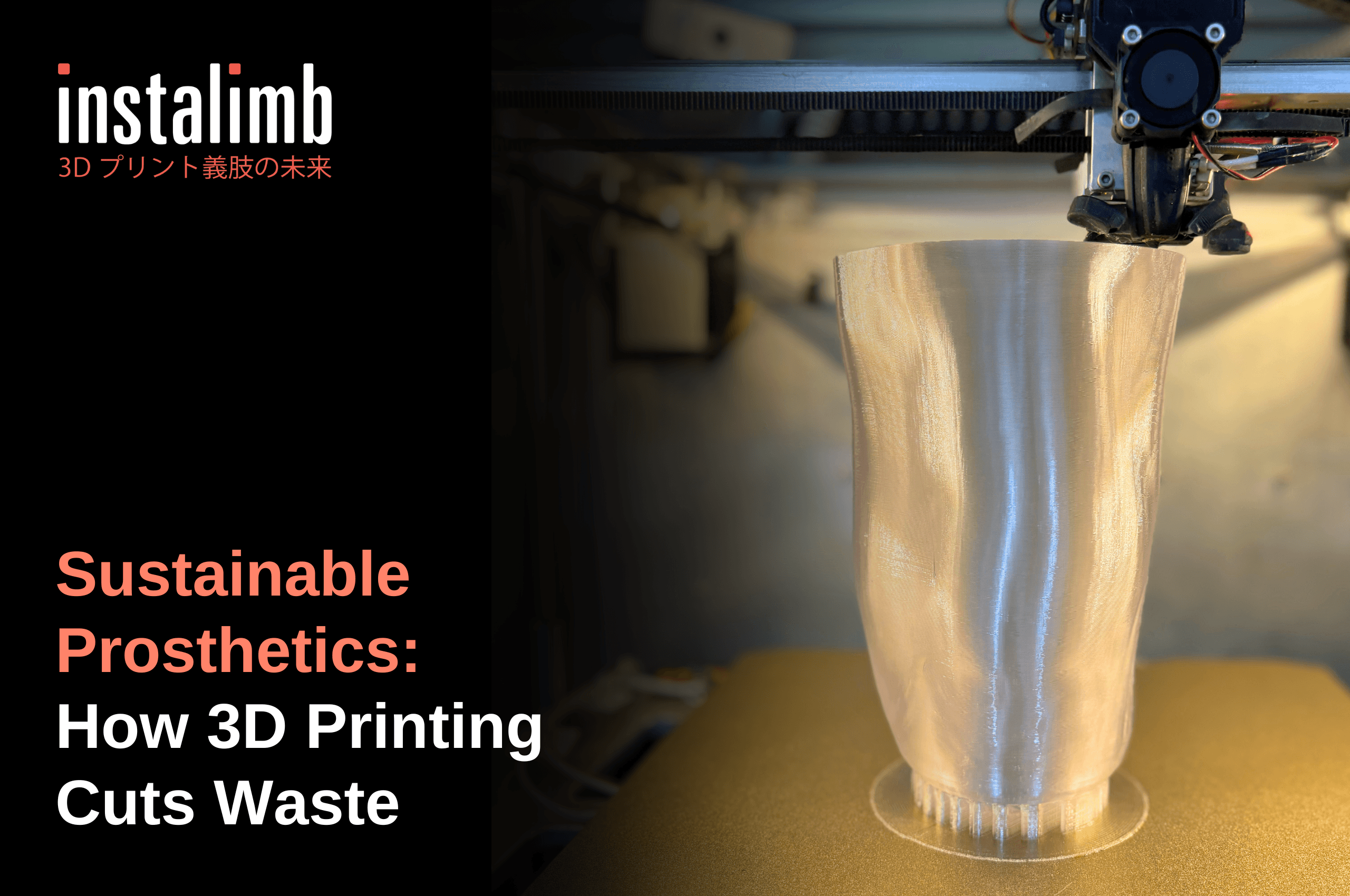
When you picture a new artificial leg, you probably think about comfort, price, and how soon you can walk again. You may not think about the planet, yet the way a limb is made leaves a real environmental footprint. Sustainable prosthetics are quietly becoming one of the biggest shifts in the industry, and at our clinics in Delhi, Bangalore, and Hyderabad, more patients than ever are asking about them.
What Makes Sustainable Prosthetics Different?
Sustainable prosthetics are limbs designed and built to minimise environmental harm, mainly by cutting material waste, energy use, and transport emissions. 3D printing leads the way because it adds material layer by layer instead of carving it away, so a socket uses only what it needs. The result is a cleaner process and, very often, a lower price.
Here is the simple contrast. Traditional prosthetics are made by shaping and cutting, which throws away a lot of raw material along the way. 3D printing works the opposite way, building the exact shape from the ground up. That single difference changes the whole environmental story.
The Hidden Waste in Traditional Prosthetics
The old way of making a limb is surprisingly wasteful. A typical process involves several steps that each leave something behind:
-
Plaster casting: technicians wrap the residual limb in plaster to capture its shape, and those single-use moulds are thrown away after one use.
-
Multiple physical fittings: each remake means more plaster, more raw material, and more discarded trial parts.
-
Warehousing: standard-size components sit in large storage facilities, consuming energy and space.
-
Shipping: heavy devices and parts travel long distances, adding to the carbon footprint before they even reach you.
Add it all up and a single conventional limb can leave a long trail of waste behind it.
How 3D Printing Slashes Material Waste
This is where the numbers get striking. Research on additive manufacturing shows that building objects layer by layer generates roughly 70 to 90 percent less material waste than traditional subtractive methods that cut material away.
A 3D printer lays down only the material the socket actually needs, so the leftover scrap can be as low as around 5%. A better first fit also means fewer remakes, and fewer remakes means far less waste over the life of your device.
At Instalimb, the world's first 3D-printed prosthetic leg and socket provider, a digital scan feeds an AI-guided design that prints with 1mm-level precision. The design lives as a digital file, so there is no plaster mould to throw away and no guesswork to redo.
Beyond Waste: A Smaller Carbon Footprint
Cutting scrap is only the start. Digital, on-demand production shrinks the footprint in other quiet ways:
-
Made to order: limbs are printed when they are needed, so there are no giant warehouses full of unused stock.
-
Local production: a design file can travel instantly, so the limb is made close to you instead of shipped across the world.
-
Greener inputs: the industry is steadily moving toward bio-based and recycled inputs that lower the carbon footprint further.
-
Second life for old limbs: retired prosthetics can often be refurbished or donated rather than dumped.
Together, these steps turn a prosthetic from a high-waste product into a lean, made-to-measure device.
Sustainability You Can Feel in India
For patients in India, sustainable prosthetics are not a distant idea. Because a 3D-printed limb is built from a digital file, it can be produced locally instead of imported, which cuts both shipping emissions and cost.
At Instalimb, we have designed over 500 prosthetics across Delhi, Gurugram, Hyderabad, Bangalore, Mumbai, and Vizag using Japanese 3D printing technology. Our free test socket fitting is, quietly, one of the greenest features we offer, because getting the fit right the first time means we do not waste materials on repeated remakes.
Why This Matters for Everyone
The stakes are bigger than one clinic. The World Health Organization estimates that 35 to 40 million people worldwide need prosthetics and orthotics services, and only about 1 in 10 people who need assistive products can access them.
Meeting that need the old, wasteful way would strain the planet. Meeting it with efficient, low-waste 3D printing is how mobility can scale without a heavy environmental price.
Frequently Asked Questions
Are 3D printed prosthetics really more eco-friendly?
Yes. 3D printed prosthetics are generally more eco-friendly because additive manufacturing builds a limb using only the material required, generating far less scrap than traditional cutting and casting. On-demand, local production also reduces warehousing and shipping emissions, which shrinks the overall carbon footprint of each device.
How much material waste does 3D printing save?
3D printing can cut material waste by roughly 70 to 90 percent compared with traditional subtractive methods, according to research on additive manufacturing. Because a printer adds material layer by layer, leftover scrap can be as low as around 5 percent, which also helps lower the cost of the finished limb.
What happens to old prosthetic legs?
Old prosthetic legs do not have to become landfill. Many components can be refurbished, reused, or donated to patients in need, and parts of the device can often be recycled. Ask your clinic about donation and recycling options when you upgrade to a new limb.
Does a sustainable prosthetic leg cost more?
Usually not. In fact, sustainable 3D-printed prosthetics often cost less, because using only the material you need and skipping repeated remakes saves money as well as resources. At Instalimb, efficient digital design keeps both waste and price down while maintaining a precise, comfortable fit.
Conclusion
Choosing a prosthetic leg is a deeply personal decision, and it is good to know that the smart choice for your comfort and budget can also be the kind choice for the planet. Sustainable, well-fitted mobility is within reach, and you never have to choose between walking well and doing right by the world around you.
Check out our blog section for more!
So, if you‘re looking for a new artificial leg, interested in a free consultation, confused if your socket is the right fit, or have any other queries, now is the time to reach out to us and try a test socket free of cost. Step it up with Instalimb - Contact us today!
Recent Posts
September 10, 2026
September 8, 2026
September 3, 2026
September 1, 2026
August 29, 2026
August 25, 2026
August 20, 2026
August 18, 2026
August 11, 2026